Ultra HDR vs HDR10 e Dolby Vision
È facile confondere i nomi dell'HDR. HDR10 e Dolby Vision sono standard video — descrivono l'HDR per film, TV e streaming. Ultra HDR è lo standard fotografico. Risolvono la stessa idea (highlight più luminosi) per media diversi. Ecco come differiscono e quale usano davvero le tue immagini.
Guarda la differenza
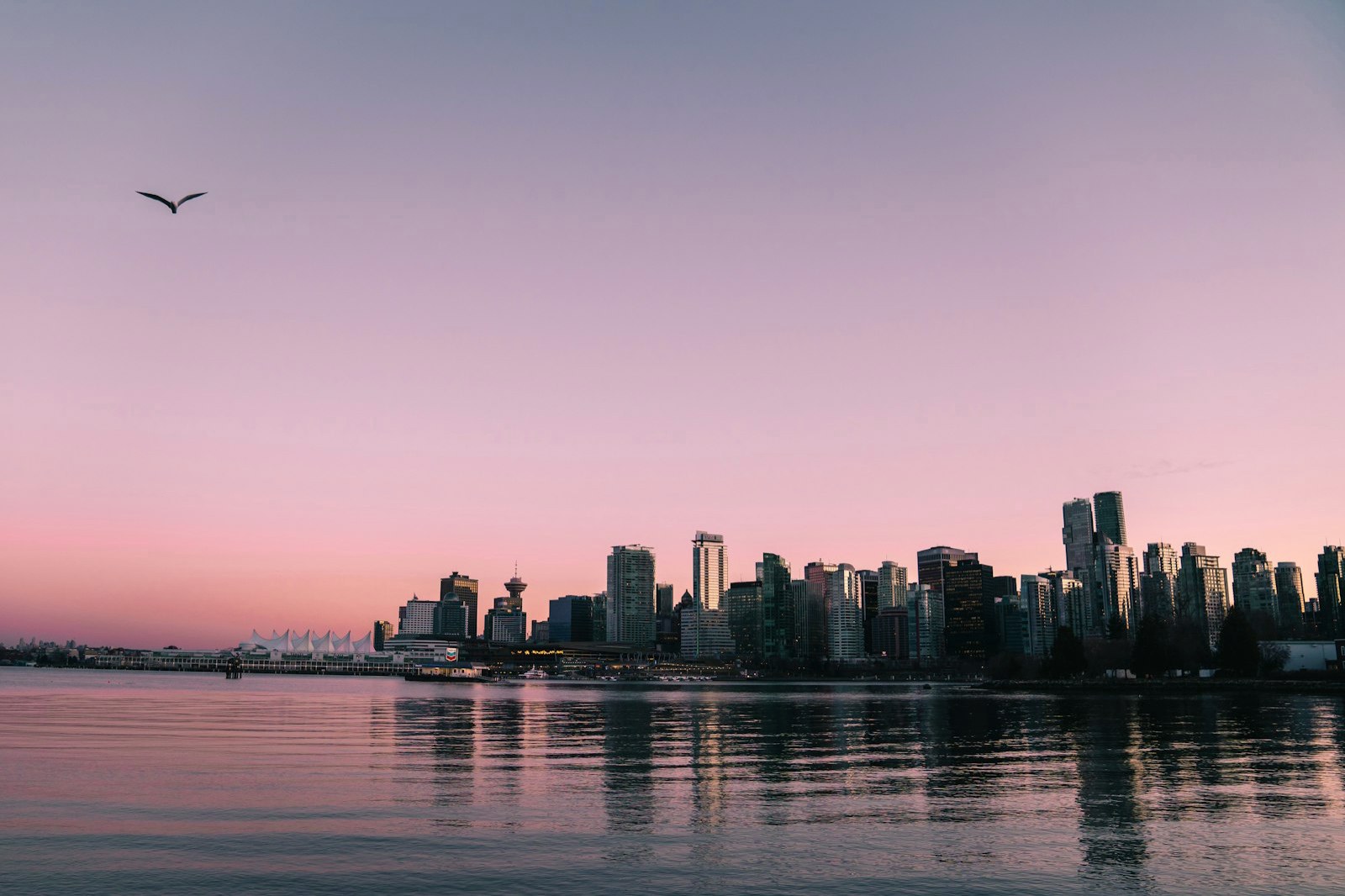
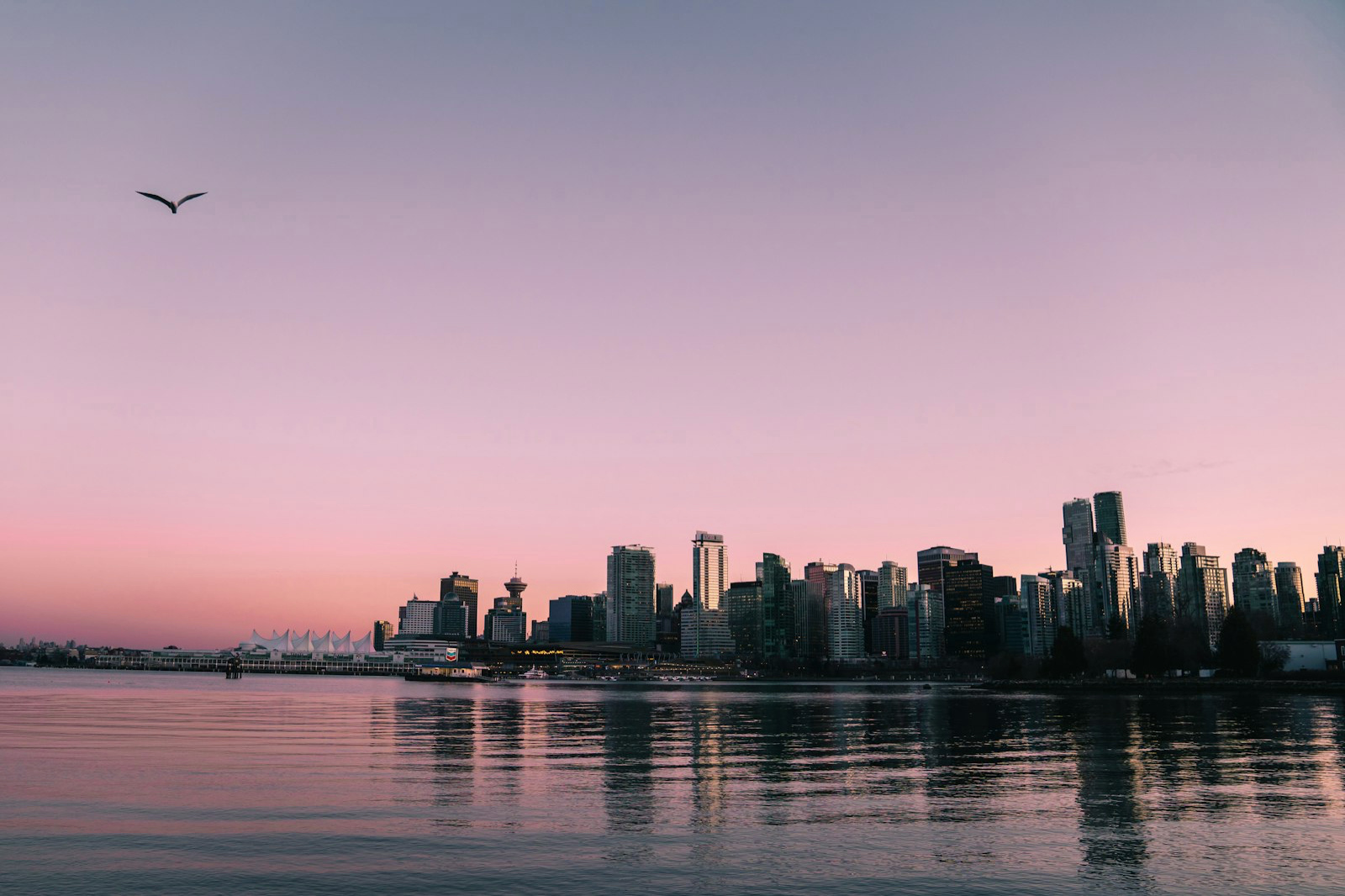
HDR10 e Dolby Vision: l'HDR per il video
HDR10 e Dolby Vision sono formati per il video — dicono a una TV o a un player come mostrare riprese luminose e ad alto contrasto, usando metadati sui livelli di luminosità (e, per Dolby Vision, dati per scena o per fotogramma). Sono pensati per lo streaming, i Blu-ray e le console di gioco. Non si applicano alle foto fisse.
Ultra HDR: l'HDR per le foto
Ultra HDR è l'equivalente per le immagini fisse: un JPEG con una gain map incorporata, standardizzato come ISO 21496-1 con l'XMP gain-map di Adobe. È ciò che fa risplendere le foto su iPhone, Android, Instagram e Google Photos. Google l'ha chiamato 'Ultra HDR' su Android; Apple usa lo stesso approccio ISO gain-map per le foto HDR di iPhone.
Stesso obiettivo, meccanismo diverso
Tutti mirano a mostrare le luci più luminose del bianco ordinario su un display capace. Ma l'HDR video porta la luminosità come metadati dello stream per un decoder, mentre Ultra HDR la porta come una gain map incorporata nell'immagine, con un normale JPEG sotto per la compatibilità. Ecco perché una foto Ultra HDR si apre ovunque si apra un JPEG.
Quale usano le mie immagini?
Le tue foto usano Ultra HDR (gain-map / ISO 21496-1) — non HDR10 o Dolby Vision. Se un amico ti manda una 'foto HDR' dal suo iPhone, è un'immagine con gain map. HDR10 e Dolby Vision si applicano al video; MakeHDR può anche convertire video in vero HDR (BT.2020, PQ o HLG), che è un percorso separato dalla gain map delle foto.
Come creare una foto Ultra HDR
MakeHDR trasforma qualsiasi JPEG, PNG o HEIC in una foto Ultra HDR conforme agli standard nel tuo browser — costruisce la gain map in locale, senza AI e senza upload, così la tua immagine risplende sugli schermi HDR e resta un normale JPEG ovunque altro.