Why isn't my HDR photo brighter?
You converted a photo, you're on a screen that supports HDR, and… it looks the same. Nothing is broken. The most common reason is counter-intuitive: your screen brightness is turned up too high.
See the difference
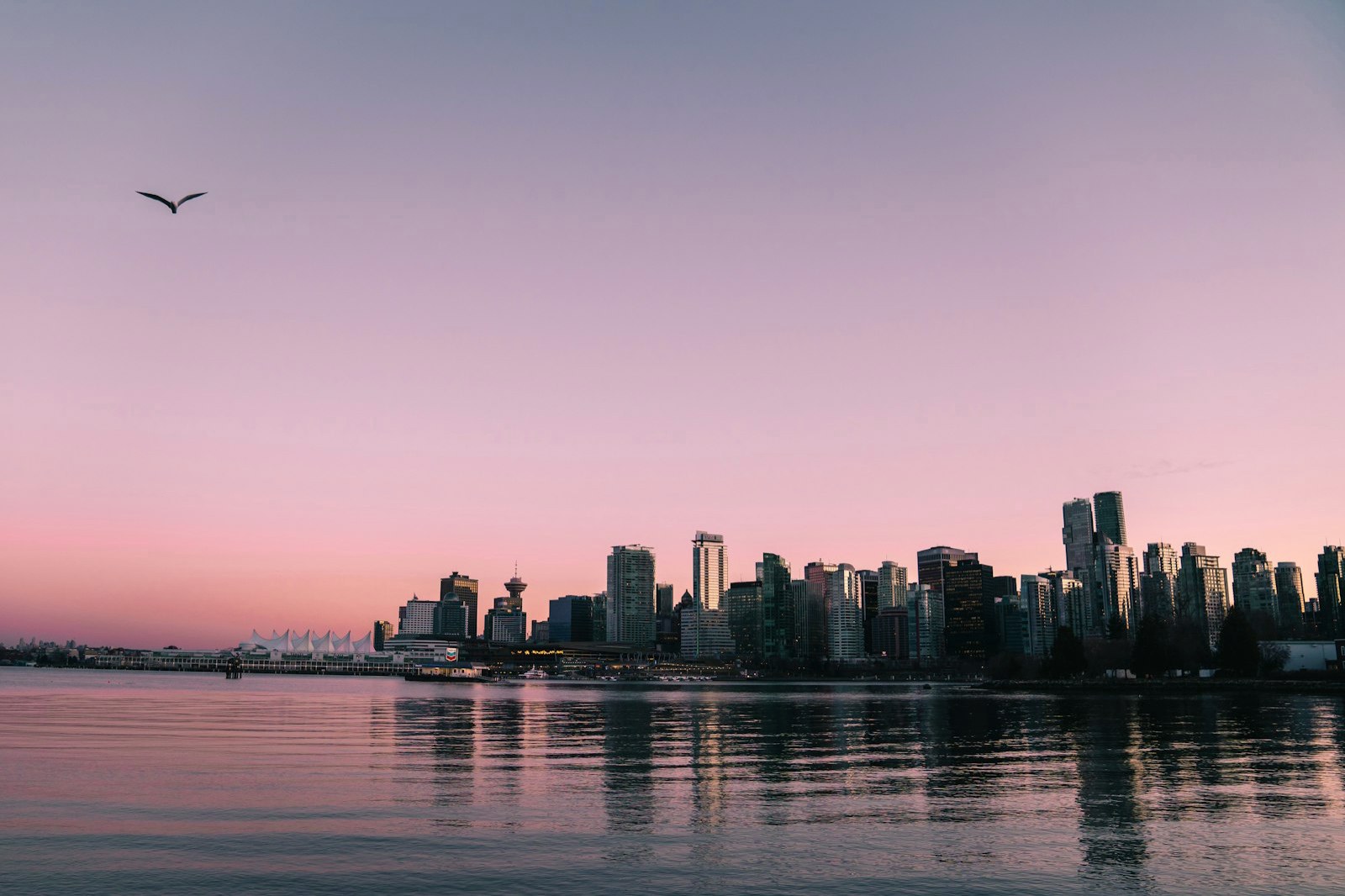
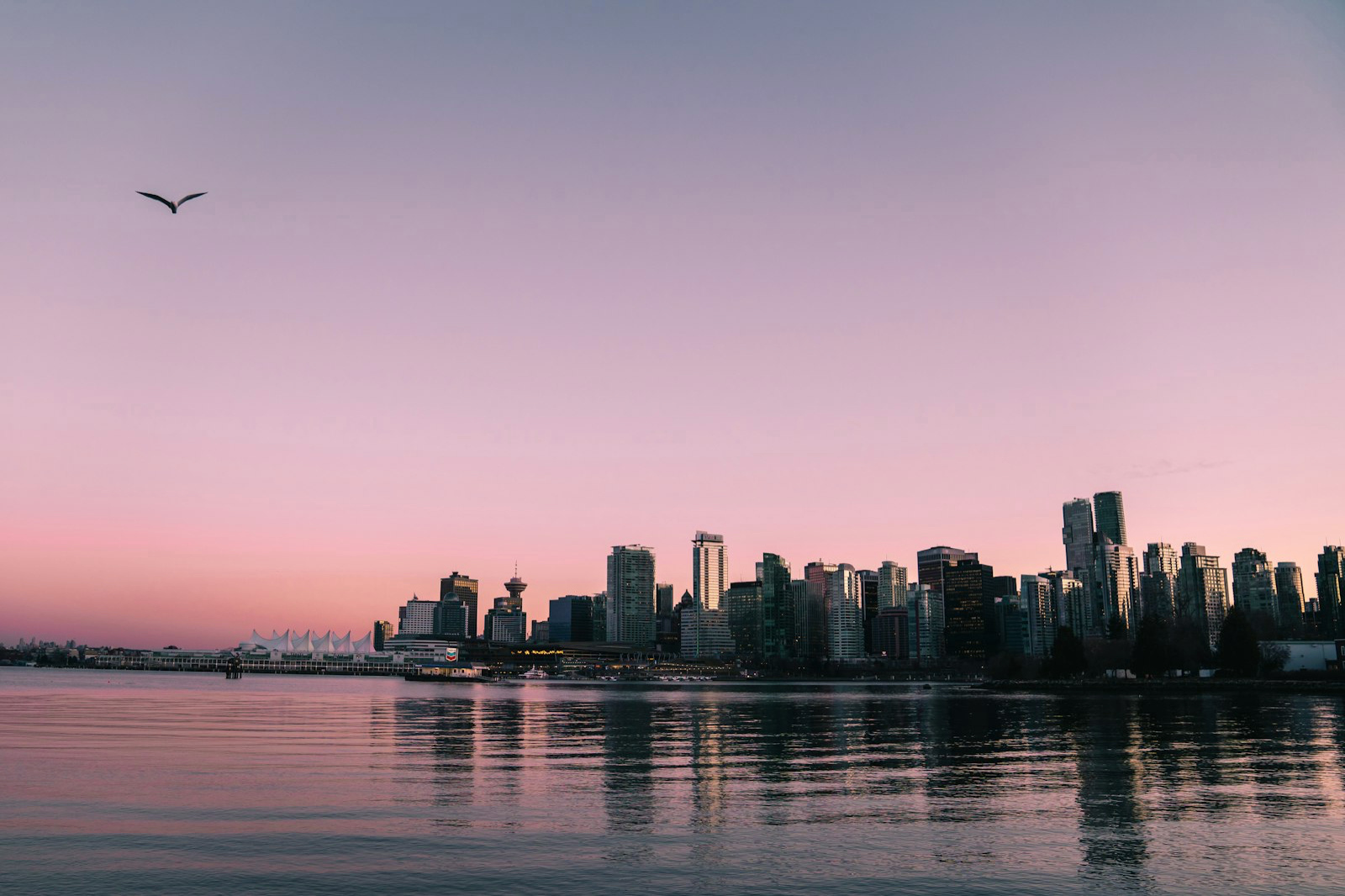
HDR needs room above white
An HDR photo doesn't make the whole image brighter. It keeps most of the picture exactly where it was and pushes only the highlights — a sunset, a reflection, a lamp — above the brightness of normal white. That extra range above white is called headroom. If your screen has no headroom, those highlights have nowhere to go, so they stop at white and the photo looks identical to a standard one.
Full brightness leaves no headroom
Here's the part nobody tells you: headroom isn't fixed, it depends on your brightness setting. Your screen has a maximum number of nits it can produce. When you set brightness to 100%, normal white already uses all of them — there is nothing left over for highlights to climb into. Turn the brightness down and white gets dimmer, which frees up the top of the range for HDR to use. That's why lowering your brightness can make an HDR photo look brighter, not darker.
Not every HDR screen has the same room
Screens differ enormously in how much headroom they can offer. A Liquid Retina XDR display (MacBook Pro 14"/16", Pro Display XDR) or a modern OLED iPhone can reach around 4 stops of headroom — that's highlights up to 16× brighter than white, and the effect is unmistakable. A regular 500-nit laptop screen, like the 13" MacBook Pro or MacBook Air, tops out at about 1 stop — twice as bright as white. On those, HDR is real but always subtle, and at full brightness it disappears entirely.
Test it in ten seconds
Open your converted photo, put it side by side with the original, and drag your screen brightness down to roughly 70%. Watch the highlights. If they start to separate from the rest of the image and glow, your display was simply out of headroom — you're seeing the HDR now. If nothing changes at any brightness, your screen doesn't do HDR at all, which is a different (and unfixable) situation.
The file is fine either way
None of this changes what you exported. Your photo carries its full HDR gain map wherever it goes: it will glow on an iPhone, on an HDR TV, on Instagram, and on any display that has headroom to spare — even if the screen you're checking it on right now can't show it. Judging an HDR file on a screen with no headroom is like judging a colour print under a red light.