Cos'è Ultra HDR?
Ultra HDR è un formato fotografico che fa risplendere fisicamente le aree luminose di un'immagine sugli schermi HDR — restando un normale JPEG ovunque altrove. È lo standard basato sulla gain map dietro le foto HDR degli iPhone moderni, dei telefoni Android, di Instagram e di Google Photos. Ecco esattamente cos'è e come funziona.
Guarda la differenza
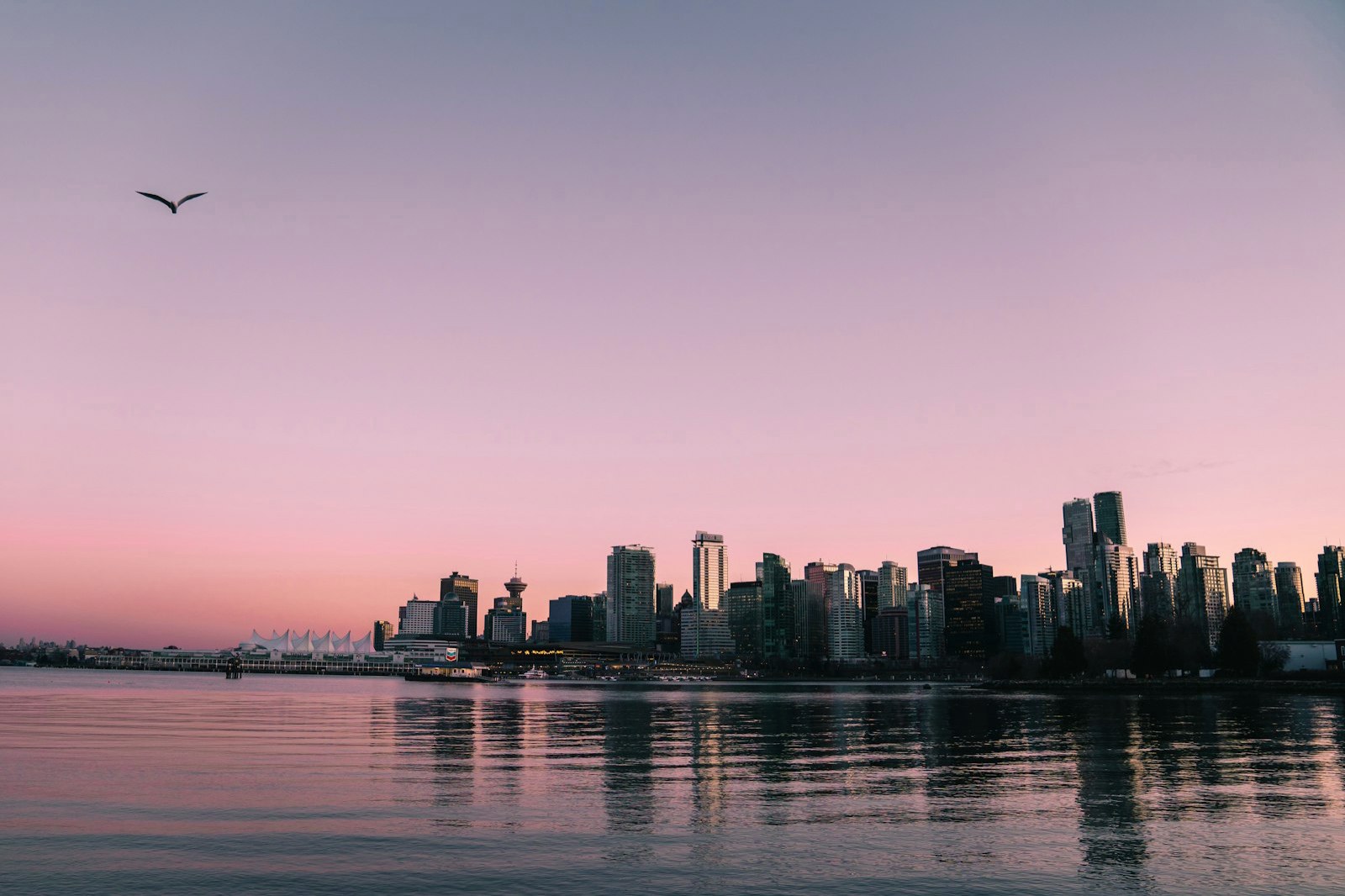
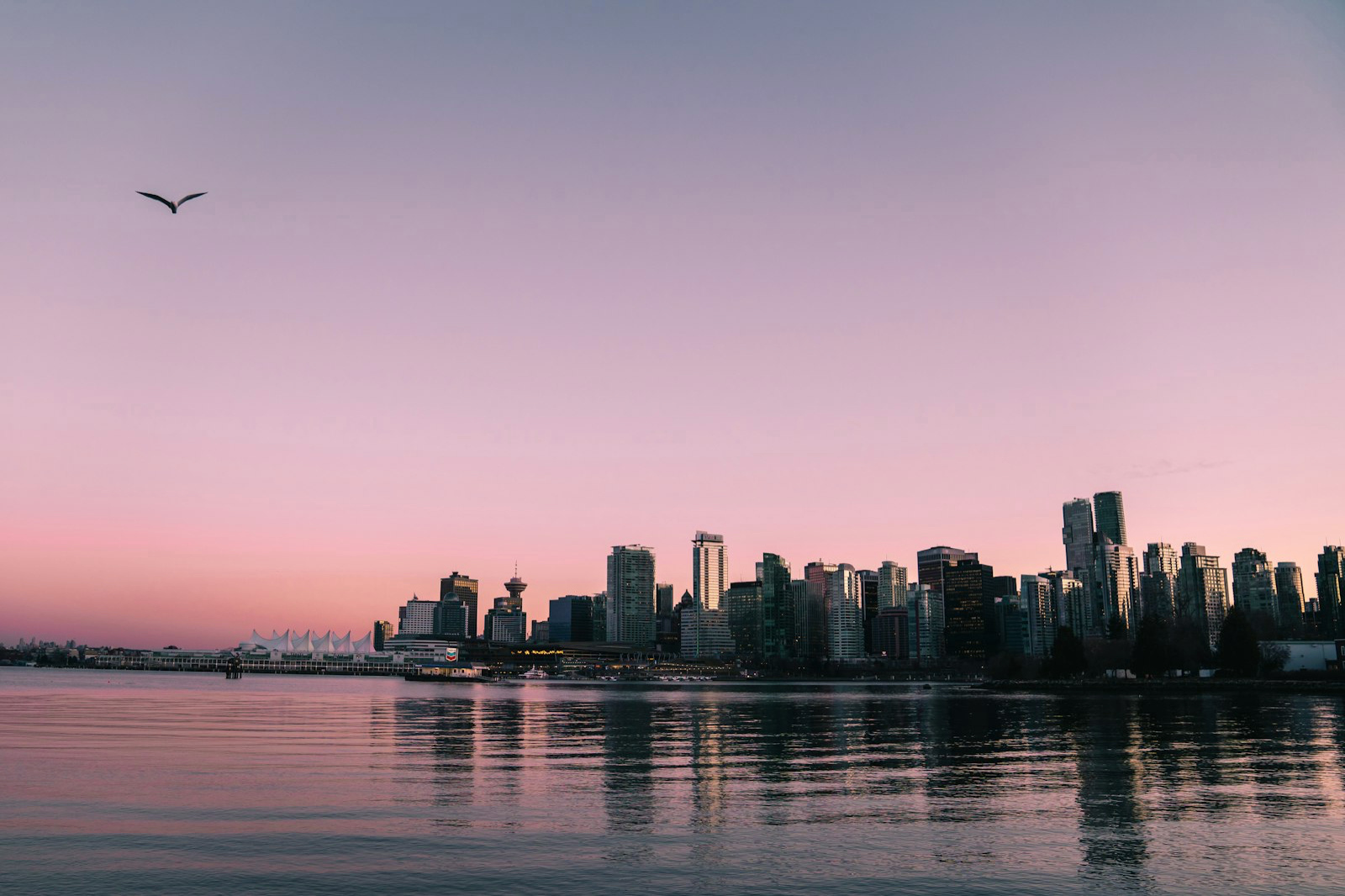
Ultra HDR in una frase
Un file Ultra HDR è un comune JPEG con un livello aggiuntivo integrato: una gain map. L'immagine di base è la foto standard che ogni schermo può mostrare; la gain map è un'istruzione in scala di grigi che indica ai display compatibili con l'HDR di quanto rendere più luminoso ogni pixel. Su uno schermo HDR, le luci alte — il sole, il neon, i riflessi — risplendono oltre il bianco puro. Su qualsiasi altro schermo, vedi semplicemente il normale JPEG.
Come funziona la gain map
La gain map è un moltiplicatore applicato pixel per pixel. Dove è scura, il display mostra la luminosità di base; dove è chiara, il display porta quell'area nell'intervallo di luminosità extra (lo «spazio» HDR, o headroom) che lo schermo ha a disposizione. Poiché il boost è memorizzato come mappa separata, lo stesso file appare corretto sia sugli schermi SDR sia su quelli HDR — niente clipping, niente colori alterati. MakeHDR calcola questa gain map a partire dalla luminanza stessa della tua foto, in 32-bit float, senza AI e senza inventare dettagli.
Ultra HDR rispetto a HDR10 e Dolby Vision
HDR10 e Dolby Vision sono standard video — descrivono l'HDR per film e TV. Ultra HDR è l'equivalente fotografico: un formato per immagini statiche basato sulla gain map, standardizzato come ISO 21496-1, con l'XMP per gain map di Adobe. Google ha introdotto il nome «Ultra HDR» su Android; Apple usa lo stesso approccio ISO basato sulla gain map per le foto HDR dell'iPhone. Così un singolo JPEG Ultra HDR risplende su Android, iOS e sul web.
Dove le foto Ultra HDR vengono visualizzate in HDR
Ultra HDR viene visualizzato in HDR su Google Photos, nell'app Foto di iOS, su Chrome e Safari, e nelle app che lo supportano come Instagram. Sui telefoni e i portatili con schermo HDR — la maggior parte dei dispositivi moderni — le luci alte si illuminano fisicamente. Sugli schermi SDR più vecchi, il JPEG di base incorporato viene mostrato normalmente, così nulla appare rotto o slavato. Questo fallback elegante è il motivo per cui Ultra HDR può essere usato ovunque in tutta sicurezza.
Come creare una foto Ultra HDR
Non ti serve una pipeline a 32 bit di Photoshop né plugin a pagamento. MakeHDR trasforma qualsiasi JPEG, PNG o HEIC già finito in un file Ultra HDR conforme agli standard direttamente nel tuo browser — calcola la gain map in locale a partire dalla tua immagine, senza AI e senza caricamenti. Trascina una foto, scegli l'intensità HDR e scarica il JPG Ultra HDR.